Microsoft Partner status is easy to reduce to a logo in a footer. What it actually means for your Azure environment is more specific: it's a signal that whoever is designing your landing zone has an ongoing relationship with Microsoft's own partner ecosystem, not just general cloud experience.
What Microsoft Partner Status Actually Signals
Being part of Microsoft's Partner Program means access to Microsoft's own partner tooling, technical resources, and support channels — the same ecosystem Microsoft expects organizations building on Azure at any serious scale to be plugged into. Code To Cloud is a Microsoft Partner, and cloud advisory work — Azure landing zones, AI landing zones, migration, and security hardening — is delivered through that relationship, not as a side offering bolted onto something else.
Where This Actually Shows Up: Landing Zones
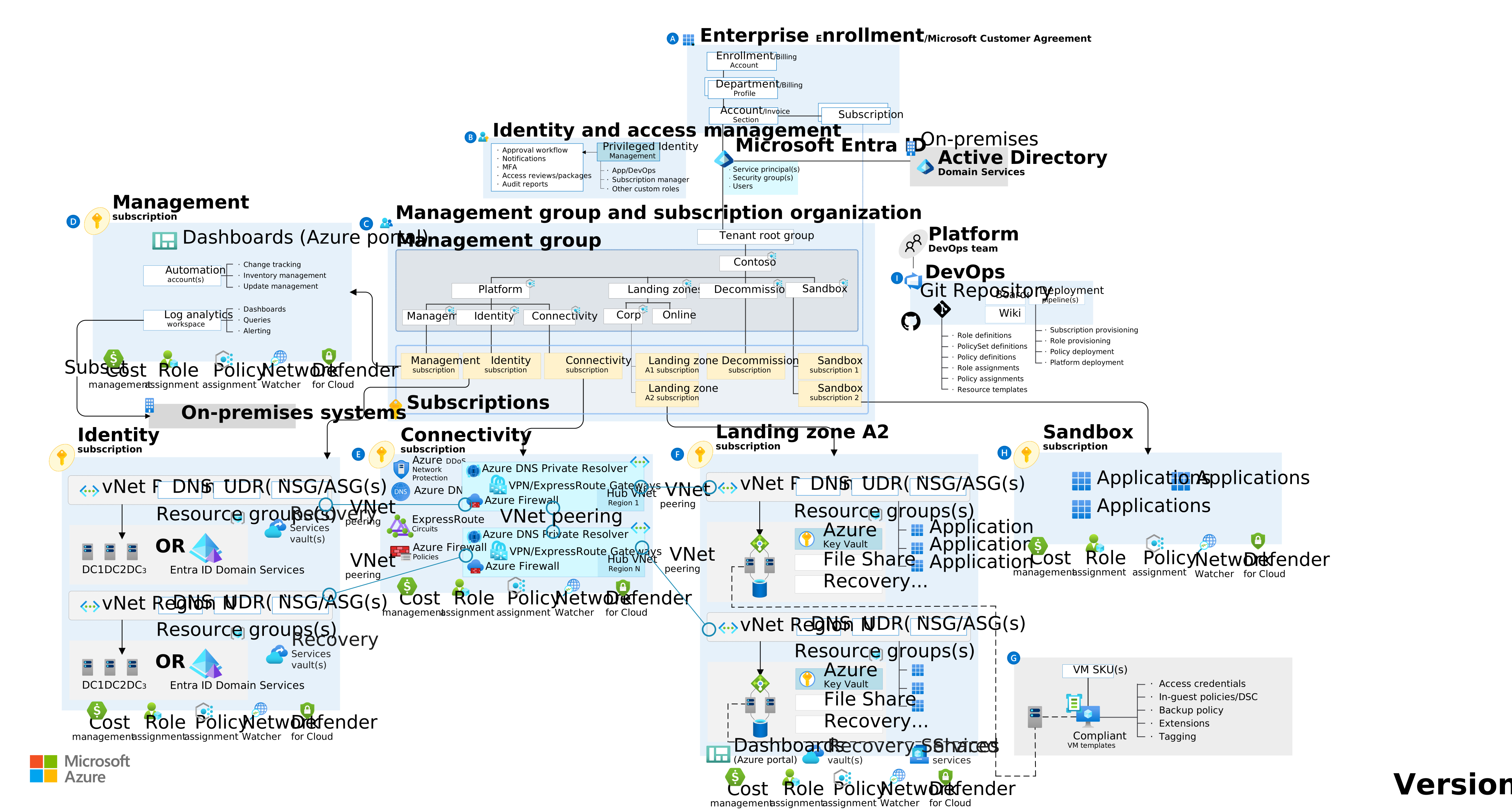
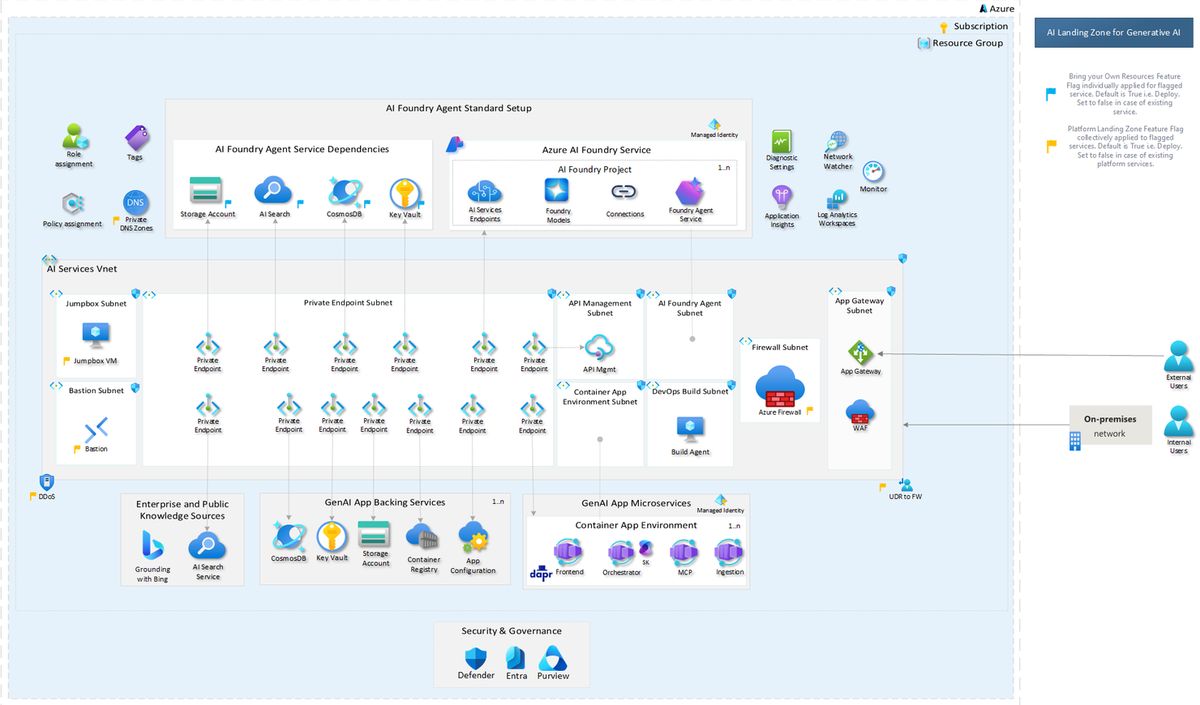
Microsoft's own guidance for Azure environments — the Cloud Adoption Framework — changes as Microsoft's platform evolves. A landing zone built the wrong way is expensive to retrofit: governance and identity controls are far easier to build in from day one than to bolt onto a production environment later. Staying aligned with Microsoft's current guidance, not guidance from two years ago, is exactly where partner-level access to Microsoft's resources matters most — including for AI-specific landing zones, where Microsoft's recommended architecture has changed multiple times in the last year alone.
Cloud Advisory vs. Managed Services
Cloud advisory and managed services get used interchangeably, but they're different jobs. Advisory is about getting the architecture, governance, and security model right — designing it and building it. Managed services are about running an existing environment day to day. Code To Cloud's cloud advisory work is architecture- and delivery-first: the same senior person who designs the landing zone builds and ships it, rather than handing off a recommendation for someone else to implement.
Frequently Asked Questions
What does it mean to work with a Microsoft Partner for Azure?
Microsoft Partner status means an organization is part of Microsoft's formal partner ecosystem, with access to Microsoft's partner tooling, technical resources, and support channels when designing and deploying Azure environments. It's a signal of an ongoing relationship with Microsoft, not a one-off certification.
Do I need a Microsoft Partner, or just an Azure consultant?
Any competent Azure consultant can deploy infrastructure. Working with a Microsoft Partner means that consultant also has access to Microsoft's own partner resources and stays current with how Microsoft's Azure guidance (like the Cloud Adoption Framework) evolves — which matters most for landing zone design, governance, and staying aligned with Microsoft's own recommended architecture as it changes.
What's the difference between cloud advisory and a managed service provider (MSP)?
Cloud advisory is architecture- and strategy-first — designing the landing zone, governance, and security model correctly, and building it. An MSP is typically about ongoing day-to-day operations of an existing environment. The two aren't mutually exclusive, but they're different jobs, and a business should be clear on which one it's actually buying.